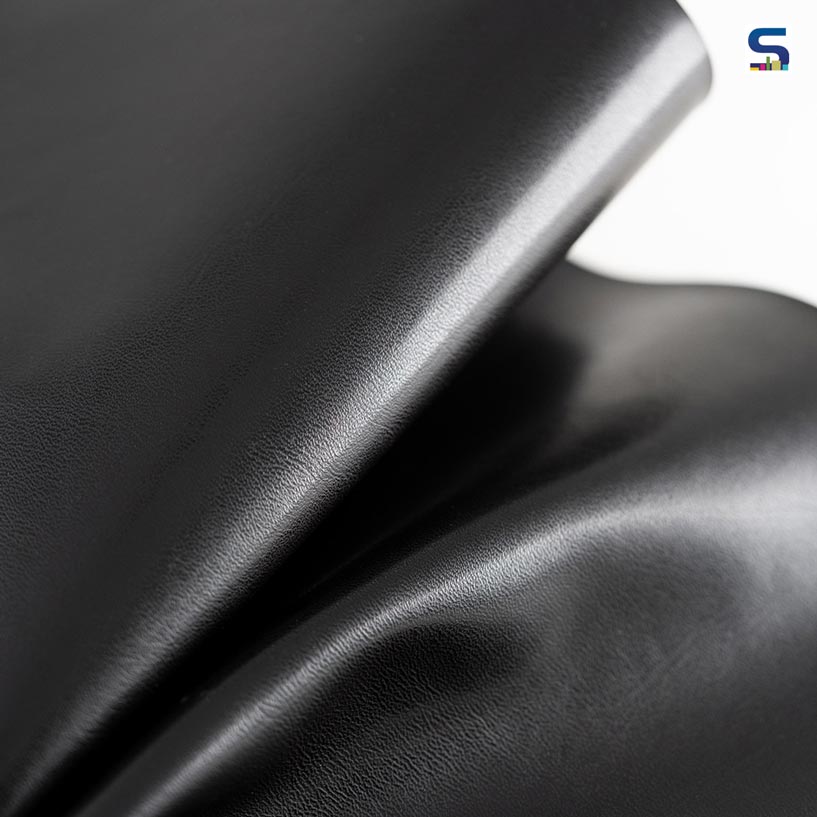
In Bermondsey, a London neighbourhood with a storied history in leather tanning and a thriving contemporary craft brewing scene, a young company has reimagined what leather can be. Arda Biomaterials, a start-up founded by Edward TJ Mitchell and Brett Cotten, has reportedly developed a genuinely plastic-free leather alternative derived from one of the brewing industry's most overlooked byproducts called spent grain. What began as a series of informal experiments in Mitchell’s home kitchen has since evolved into one of the most promising sustainable material innovations in the fashion and textiles space. Know more about it on SURFACES REPORTER (SR).
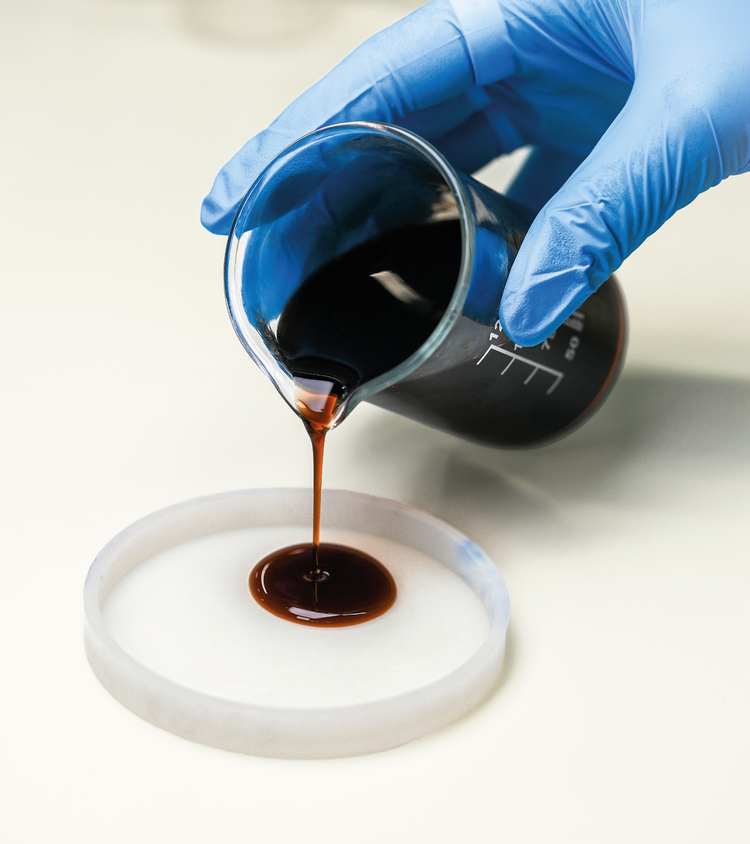
Once the proteins have been reconfigured, they are blended with a range of bio-based ingredients.
New Grain, New Game
The inspiration came naturally from the environment around them. Bermondsey is home to numerous craft breweries, and with those breweries comes an enormous volume of brewer’s spent grain, known in the industry as draff. It is the soggy, low-value residue left behind after malt is mashed during beer or whisky production. Traditionally, this material is sold cheaply as animal feed, offering little economic return. However, Mitchell and Cotten recognised that draff is remarkably protein-rich, and that recent advances in plant protein modification science offered a potential pathway to transforming it into something far more valuable.
The result of their research led to New Grain, a material that is soft, supple and durable in ways that closely resemble both traditional animal leather and synthetic polyurethane. What sets New Grain apart from most other plant-based leather alternatives, including those derived from mycelium, bacterial cellulose or agricultural plant waste fibres, is that it achieves these properties without relying on any petrochemical binders, plastic coatings or synthetic top layers.
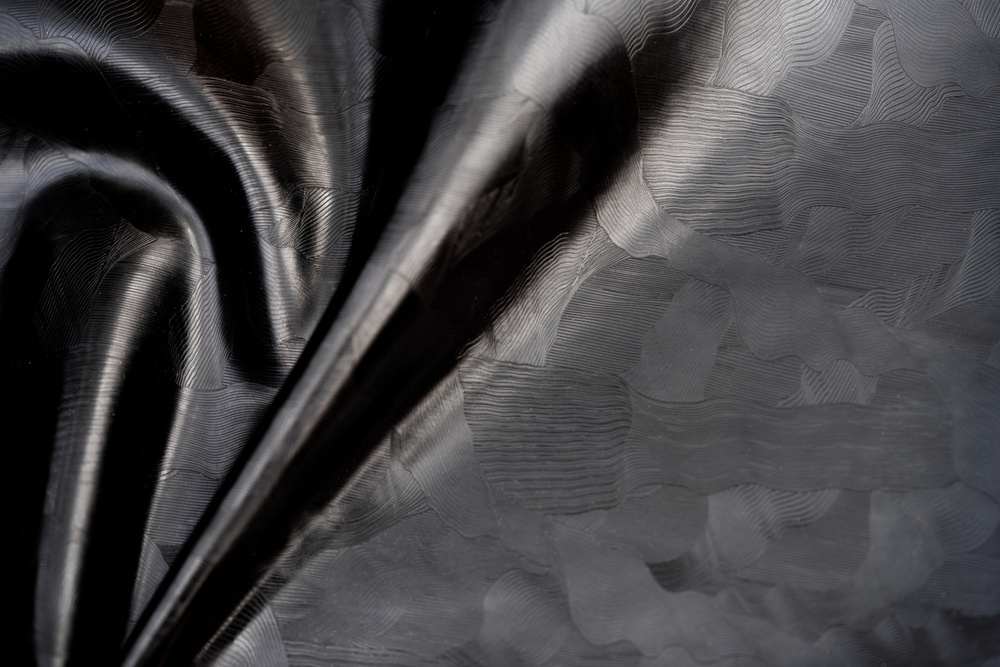 According to Arda’s own calculations, the material carries a carbon footprint approximately 96 per cent lower than that of cow leather and around 72 per cent lower than conventional synthetic leather.
The process
The science behind New Grain centres on a proprietary process classified as green chemistry, meaning it relies exclusively on non-toxic and non-hazardous substances throughout. The key challenge with plant proteins is their natural structure. They exist in a densely coiled, disorganised state that lacks the tensile strength and flexibility found in animal-derived collagen. Arda’s process begins by isolating these proteins from the spent grain and then carefully unravelling and restructuring them into longer, interconnected molecular chains. The transformation is similar to the protein processing used in the production of plant-based meat alternatives, where liquid protein is extracted and purified before being further manipulated.
Once the proteins have been reconfigured, they are blended with a range of bio-based ingredients. Some of these additives help replicate the characteristic buttery texture associated with high-quality leather, while others serve to strengthen the bonds forming between protein chains. Natural pigments are introduced at this stage to give the material its colour. The mixture is then poured into trays lined with textured paper, which imprints surface patterns, such as the classic pebble-grain finish familiar from traditional leather goods. Once fully dried, the sheets are laminated onto a natural textile backing to complete the product.
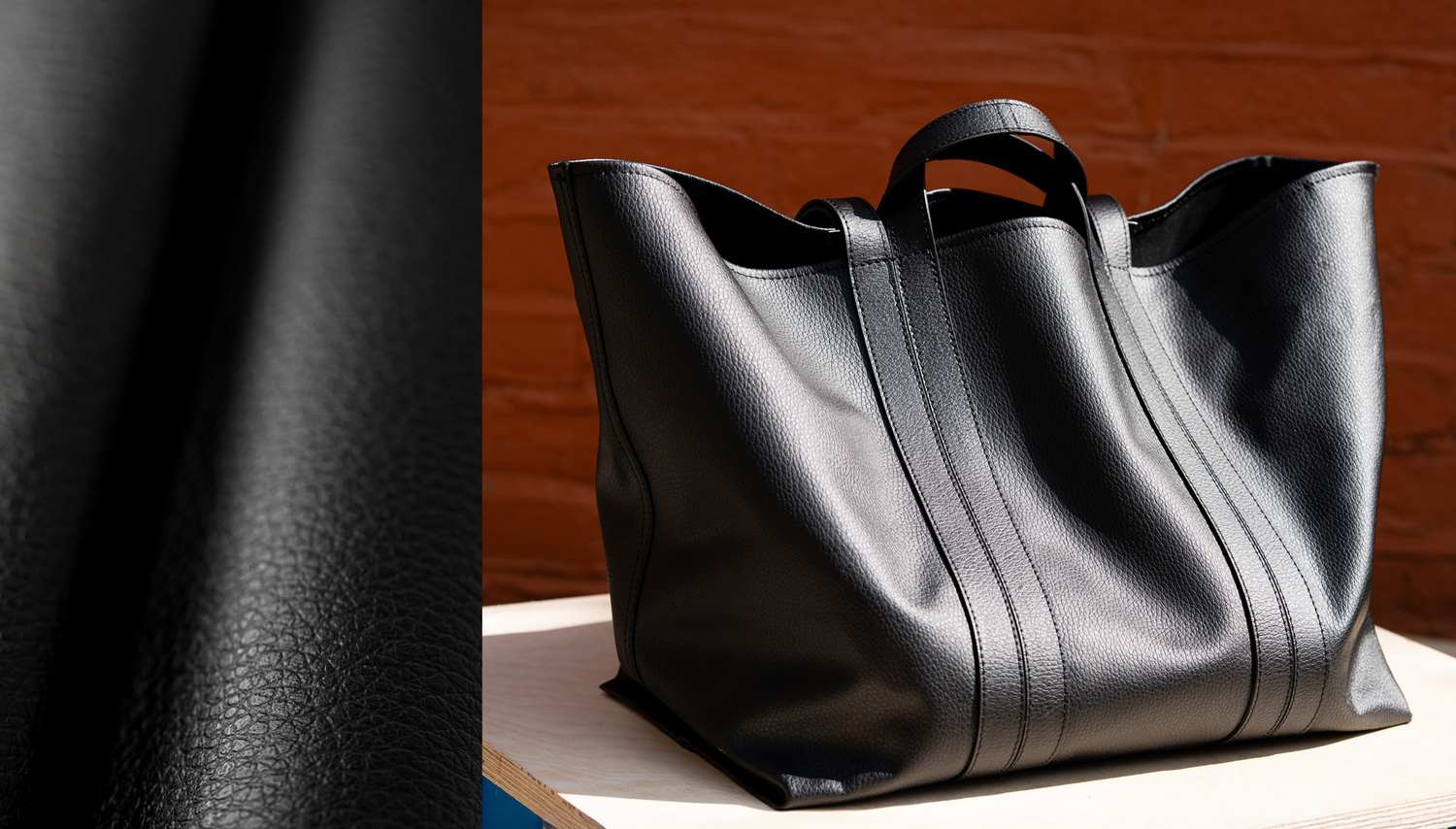
New Grain is a material that is soft, supple and durable in ways that closely resemble both traditional animal leather and synthetic polyurethane.
The result
The environmental credentials of New Grain are compelling. According to Arda’s own calculations, the material carries a carbon footprint approximately 96 per cent lower than that of cow leather and around 72 per cent lower than conventional synthetic leather. The material is also theoretically biodegradable, and it is currently being assessed against established industry standards to substantiate those claims formally.
Reportedly, Arda has already begun demonstrating the commercial viability of New Grain through a partnership with BEEN London, a sustainable accessories brand, which has used the material to produce handbags and tennis racquet covers. The company intends to begin with smaller leather goods such as wallets, bags, and similar accessories, before gradually expanding into more demanding applications such as footwear, automotive interiors and furniture.
Image credit: Arda Biomaterials