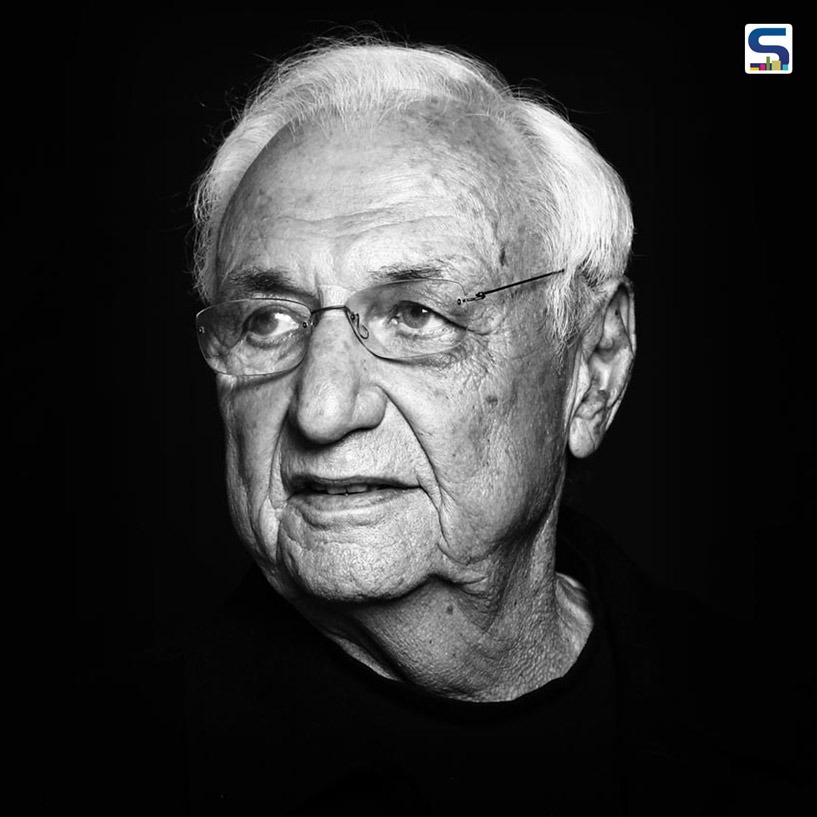
SURFACES REPORTER (SR) pays tribute to a visionary who reshaped contemporary design with movement, emotion, and fearless imagination
 Frank Gehry, one of the most influential and unconventional architects of the modern era, passed away on on Friday, December 5, 2025, at age 96, leaving behind a legacy that transcends continents and redefines the boundaries of contemporary architecture. With a career spanning seven decades, Gehry transformed titanium, glass, and steel into poetic forms, creating buildings that seemed to dance, ripple, and breathe. His philosophy - “Architecture should speak of its time and place, but yearn for timelessness” - became a guiding principle for generations of architects and dreamers.
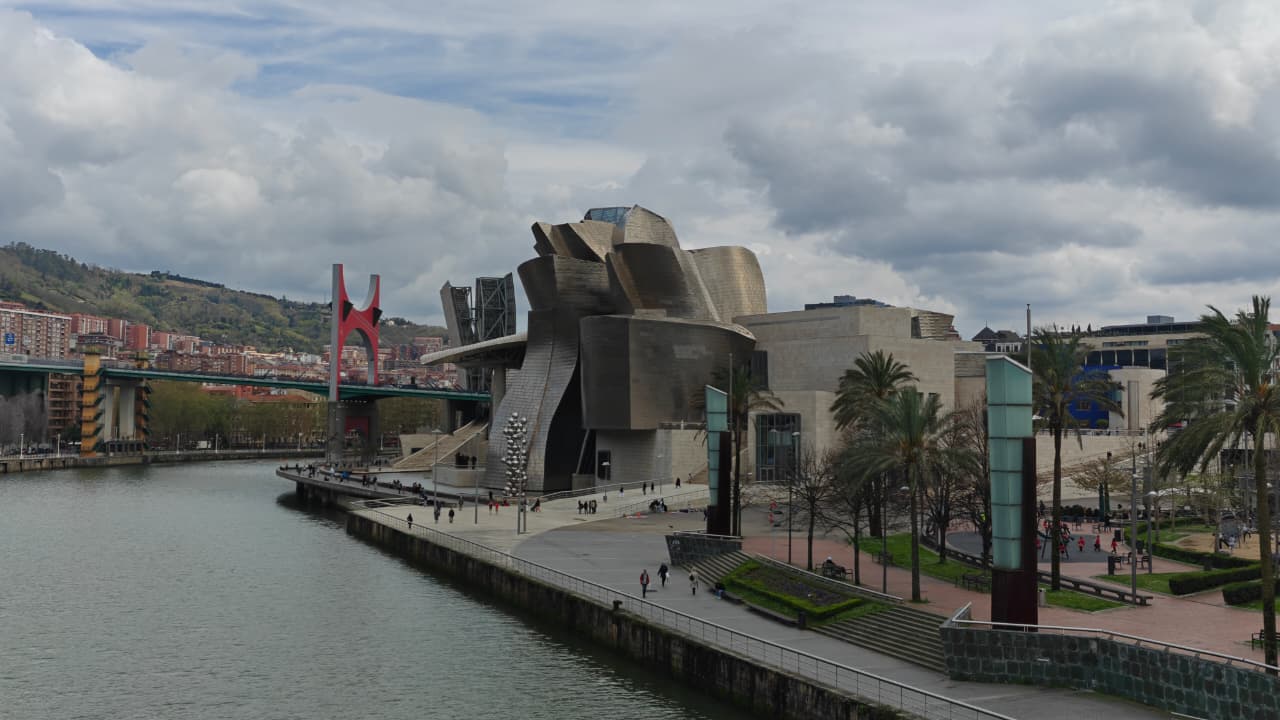
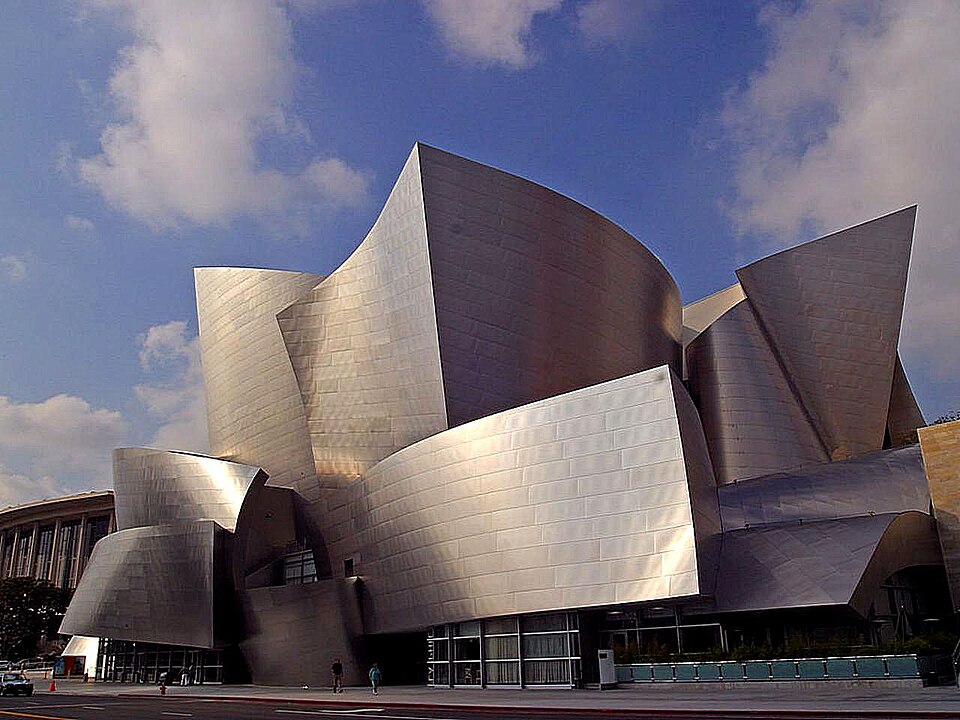 Gehry’s work was rooted in curiosity and the belief that creativity thrives in uncertainty. “If you know what you’re going to do, you won’t do it,” he often said. “Your creativity starts with your curiosity.” This spirit of exploration led him to design structures that defied convention, from the undulating titanium curves of the Guggenheim Museum Bilbao to the stainless-steel sails of the Walt Disney Concert Hall in Los Angeles. Each project was a testament to his ability to fuse engineering precision with artistic expression, creating spaces that were as emotionally resonant as they were visually stunning.
 Among his most iconic works, the Guggenheim Museum Bilbao stands as a global symbol of deconstructivist architecture. Its sculptural forms and shimmering titanium panels not only revitalized the city but also redefined what a museum could be - a living, breathing work of art. Similarly, the Walt Disney Concert Hall, with its acoustically perfect interior and dynamic exterior, became a cultural landmark in his hometown, embodying Gehry’s belief that architecture should evoke movement and emotion.
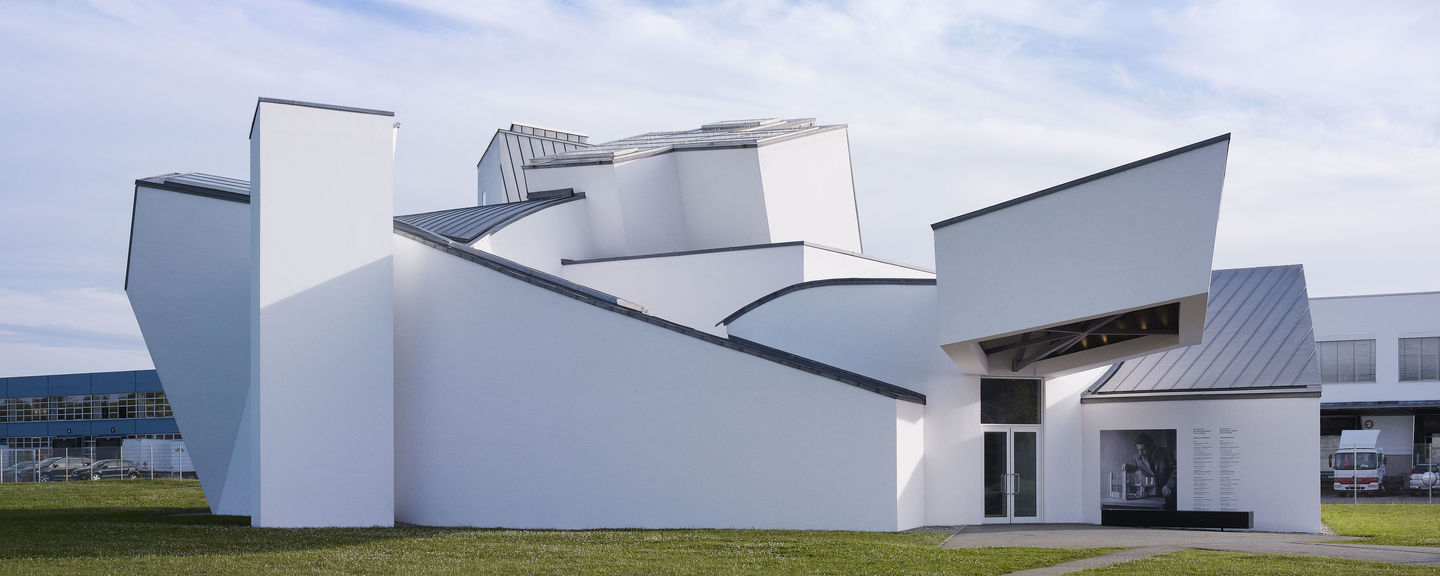
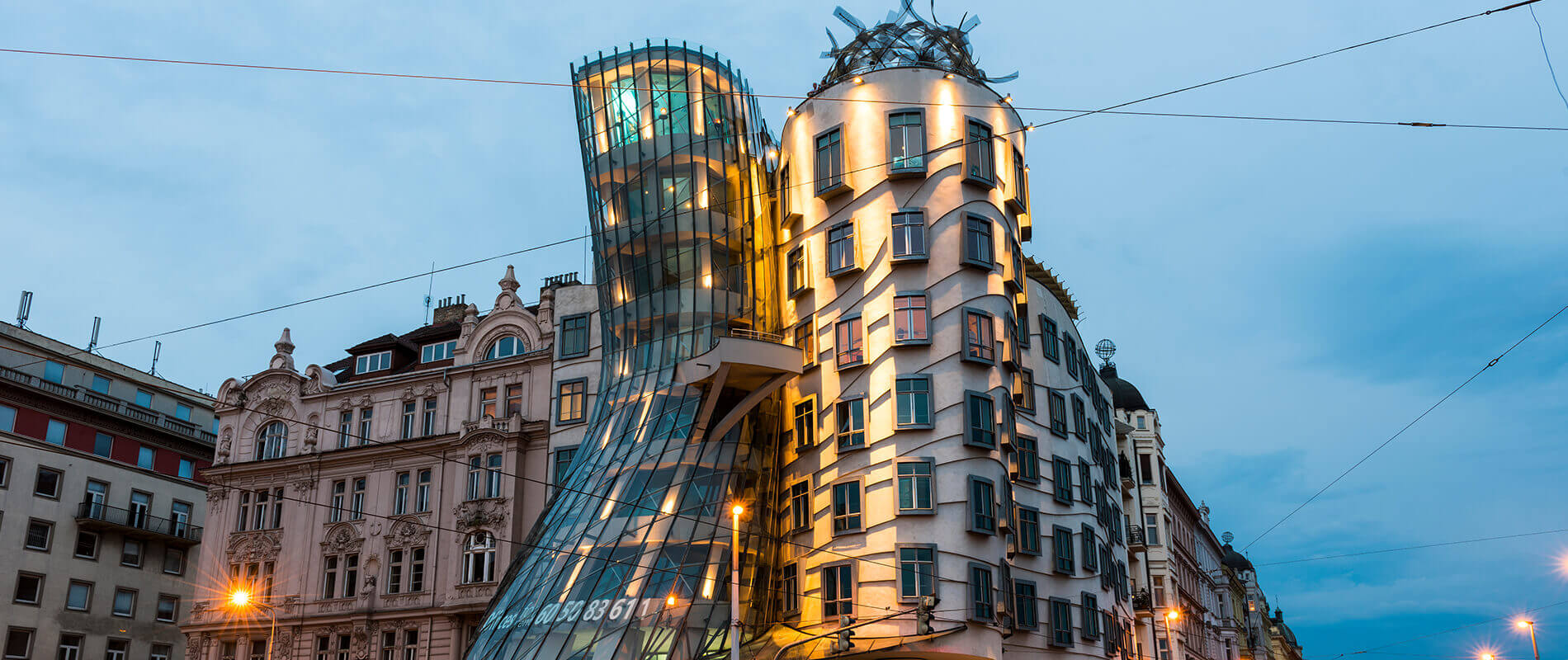
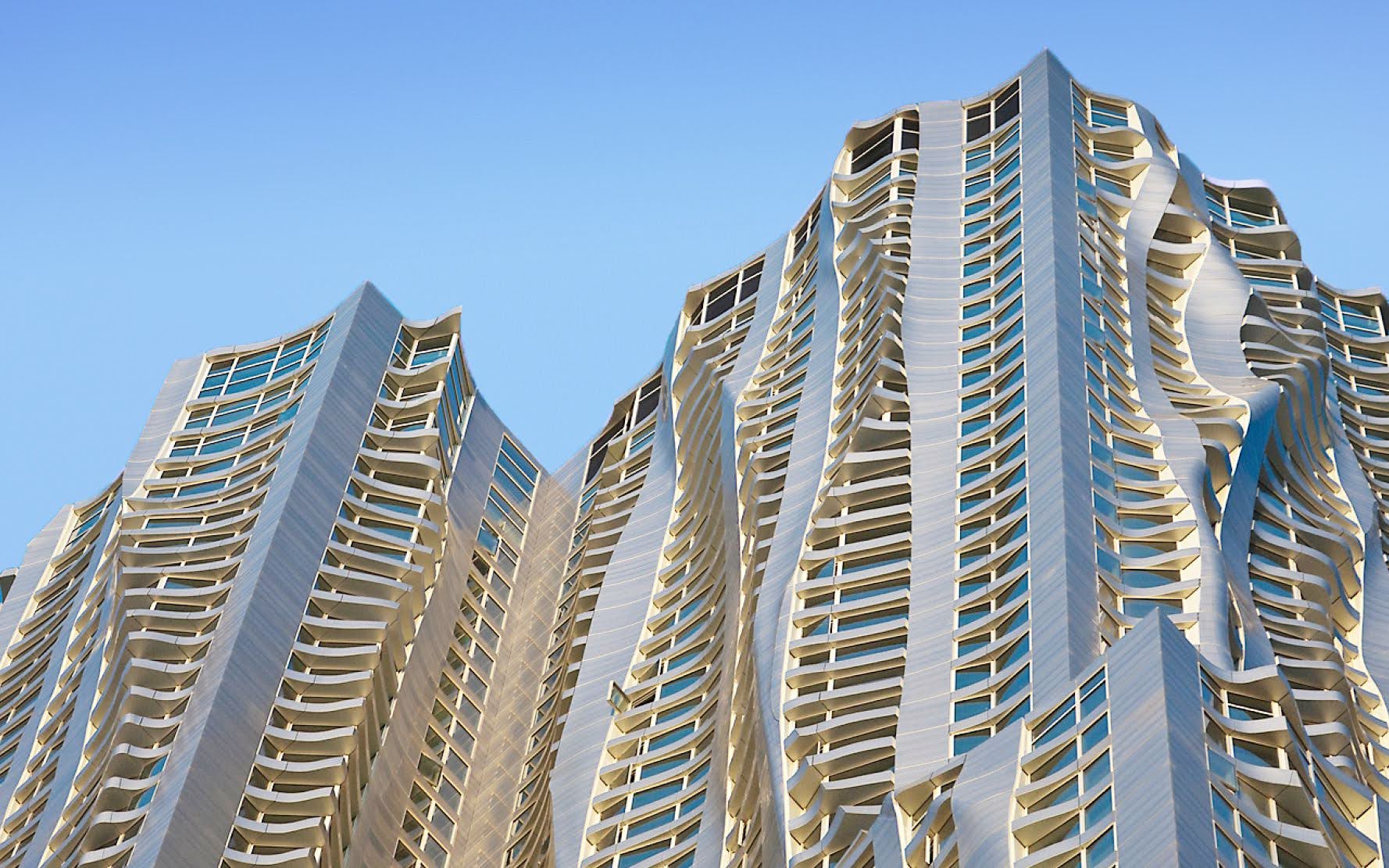 Gehry’s influence extended far beyond these masterpieces. The Vitra Design Museum in Germany, his first European project, showcased his ability to disrupt architectural norms with a minimal yet experimental approach. The Beekman Tower in New York City, draped in over 10,000 uniquely shaped stainless-steel panels, introduced softness and fluidity to the rigid Manhattan skyline. And in Prague, the Dancing House, inspired by the grace of Fred Astaire and Ginger Rogers, broke free from the city’s traditional architectural language, capturing motion in stillness.
 Frank Gehry’s legacy is not just in the buildings he created but in the way he reimagined architecture as an artistic, emotional, and deeply personal language. His work challenged conventions, reshaped cities, and inspired countless architects, students, and dreamers to see beyond symmetry and predictability. As he once said, architecture was never merely construction—it was identity, risk, and self-expression. Though he is no longer with us, the forms he conjured - fluid, fearless, and unmistakably his - will continue to inspire for generations to come.