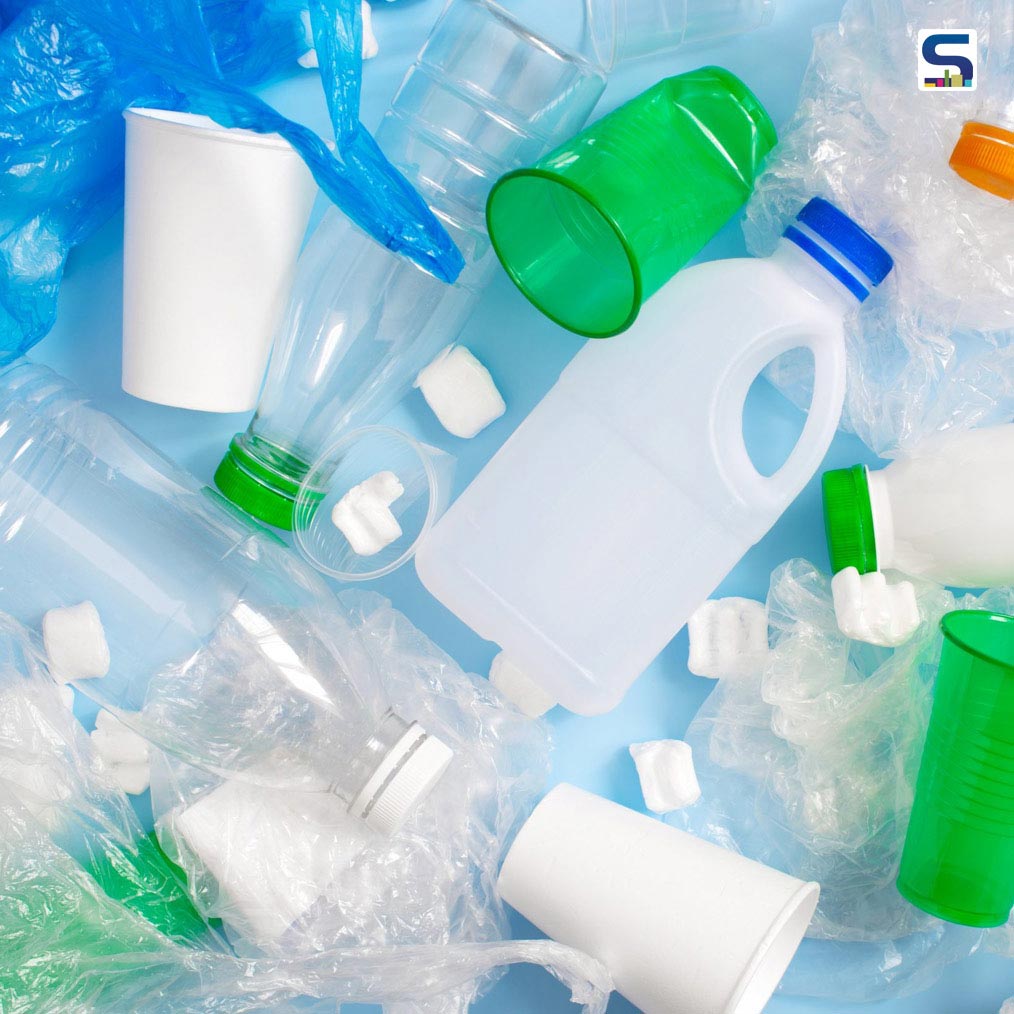
A recent study from the Organization for Economic Co-operation and Development (OECD) informs that more than 90 per cent of plastic is not recycled in the world. Plastic, when not recycled, either ends up in landfills or the ocean or is burnt, thereby affecting the ecosystem on a larger scale. Not to mention the massive damage that is caused by micro-plastics that are present everywhere, even in our blood. Since plastic has become a part of our day-to-day lives, it is not easy to overcome its versatile use; unless replaced by an affordable alternative material. Scientists from the University of Tokyo have a solution to reduce the amount of plastic waste that is massively polluting the environment. A team of scientists has reportedly discovered self-healing plastic by combining conventional plastic with a special agent that allows it to heal cracks and crevices. Checkout for more details on SURFACES REPORTER (SR).
Research findings
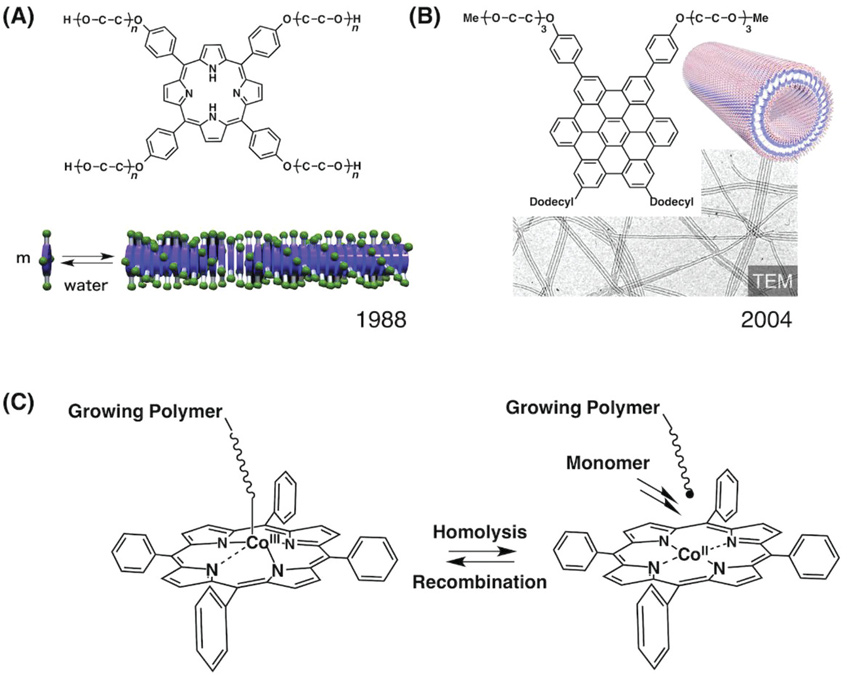
Chemistry professor Takuzo Aida at the Japanese university believes that this approach would lead to the creation of a long-lasting plastic that would not require the need for any recycling or disposing. The self-repair plastic has been designed to address the problem of plastic pollution by reducing its use and abuse. Aida and team used polyether thiourea in a study, back in 2018, to create a plastic that can self-repair its cracks even at room temperature. For the recent research, the team applied the same plastic material to another plastic with no self-repair function at a rate of 20 per cent. The result of the research showed that mixed plastic can spontaneously repair itself at normal temperatures.
When conventional plastic starts to degrade, a chain of molecules that makes the material starts to break. To repair and recycle them, plastic must be melted at a high temperature. This causes the use of an energy-intensive process that involves more pollution.
Made-to-last plastic
On the contrary, through the hydrogen bonding process, this self-healing material gets broken down into parts, which further get pressed against each other at room temperature for nearly an hour. This is when the plastic starts to regenerate and regains its firmness. Reportedly, the same thing happens also for non-visible lesions. The team suggests that self-healing plastic can find space wherever traditional plastic is used such as smartphone displays, household appliances, everyday objects, eyeglass frames, cars, etc.
The findings of the research had been presented at the annual conference of the Chemical Society of Japan on March 26, 2022.
Image credits: Top: Reader’s Digest; Above: Wiley Online Library