The ongoing conflict in the Middle East is significantly impacting the building materials industry, triggering a sharp rise in costs and disrupting the real estate sector. According to a report by SURFACES REPORTER, the situation is placing increasing pressure on supply chains and project viability.
The geopolitical tensions in the region have strained the domestic raw material supply chain. Although a majority of building materials—such as glass, aluminium, wires, pipes, and PVC products—are manufactured within India, shortages are emerging due to disruptions in the petrochemical supply chain and constrained global shipping routes.
Morbi Shutdown Halts Ceramic Tile Production
One of the worst-hit segments is the ceramic tile industry, following the shutdown of Morbi in Gujarat—India’s largest ceramic manufacturing hub. Production in the city has been halted for the past five days, leading to a significant supply gap.
This “No-Production” phase has already pushed tile prices up by nearly 20%, adding to the financial burden of ongoing construction projects.
Rising Steel, Aluminium, Brick & Wood prices
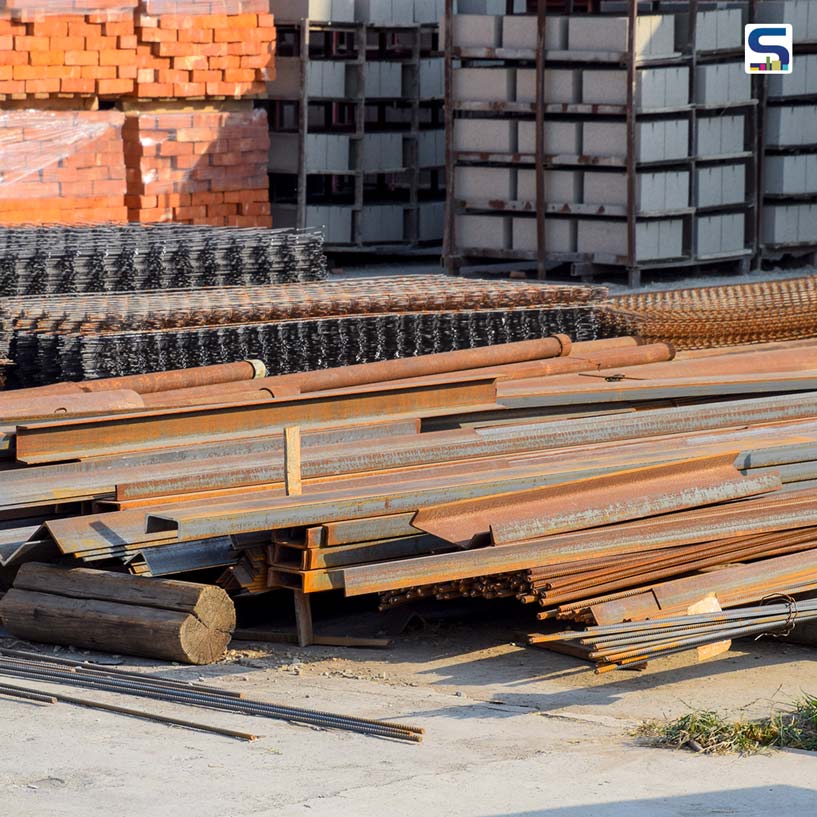
Material costs across key categories are witnessing a steady upward trend. Since March, aluminium prices have increased by around 4%, while steel prices have risen by nearly 9%.
After a relatively stable phase in early 2026, steel prices are again under pressure due to escalating raw material costs. According to ANAROCK estimates, steel prices have surged by nearly 20%, reaching approximately ?72,000 per ton in recent weeks.
Due to the rising coal prices, brick klins in many regions are also on the verge of closure. Associations such as the Punjab Brick Kiln Owners Association have warned that a large number of brick kilns in the state could shut down from April 1 if the government fails to intervene soon.
Simultaneously, prices of plywood, laminates and allied products are also on the rise leading to a sharp decline in the sales figures, industry experts comment. In the similar fashion, the interior and finishing materials including ACP sheets, high-pressure laminates, modular furniture components, false ceiling materials and fittings have become costlier due to rising raw material costs and delays in shipments.
Prashant Thakur, Executive Director & Head - Research and Advisory, ANAROCK Group, said that the Strait of Hormuz blockade since early March 2026 has hit the sector hard with rising material costs, supply delays - and potentially delayed and even stalled projects.
Paint Industry Hit by Rising Brent Crude Prices
The paint industry is also feeling the heat due to rising crude oil prices. To offset increasing input costs, major players—including Asian Paints—have announced a price hike of 6–8% across their portfolios.
As per the company’s announcement, the increase will be implemented in two phases beginning April 10, covering key product categories such as emulsions, enamels, primers, distempers, and the Neo Bharat range. A second phase, starting April 21, will extend to the rest of the portfolio, including waterproofing solutions under SmartCare, tile adhesives, and wood finishes.
Prashant Thakur from Anarock also added that diesel for construction cranes and mixers is heavily associated with over $100 price of Brent crude. This price shock will reflect significantly on construction sites in Mumbai, Delhi-NCR, Hyderabad, and other high-rise-centric cities around the country.
Cement Sector Begins to Feel the Pressure
Cement—until now relatively insulated from global price fluctuations—is also beginning to feel the impact. A report by Nuvama Wealth Management indicates that rising costs of petroleum coke and packaging materials have increased production expenses.
As a result, cement prices are expected to rise by the end of March or early April 2026.
Labour Costs on the Rise
Labour costs are also witnessing consistent upward pressure. According to JLL’s Construction Cost Guide, wages have increased by 5–6% across categories, driven by shortages of skilled labour and growing infrastructure demand.
Real Estate Sector Braces for Impact
With rising construction costs and persistent supply chain disruptions, the Indian real estate sector is expected to face a significant squeeze on profit margins. This, in turn, is likely to push housing prices upward, as indicated by CREDAI-NAREDCO.
According to NAREDCO President Praveen Jain, the real estate sector is now feeling the effects of the ongoing tension in the Gulf region through shortage in construction materials and a rise in prices.
"Key materials such as steel, PVC products, wires, pipes, and even glass are currently in short supply. In addition, segments like ceramic manufacturing have been impacted due to fuel-related challenges," he added.
He also asserted that a longer period of conflict would further lead to increase in construction costs and ultimately the project timelines.
Call for Policy Intervention
Reports suggest that developers are already considering seeking policy-level interventions to mitigate the rising cost burden. Industry stakeholders may also push for relaxation in project delivery timelines, particularly under regulatory frameworks such as RERA, where delays can lead to penalties and affect developer credibility.
Experts believe that while the real estate sector is currently in a wait-and-watch mode, the absence of timely government intervention could lead to sustained cost escalation. This may ultimately impact housing demand—especially in the mid-income and affordable segments, where buyers are highly sensitive to price fluctuations.
(With inputs from ET Realty, Economic Times, TOI, NDTV & more)